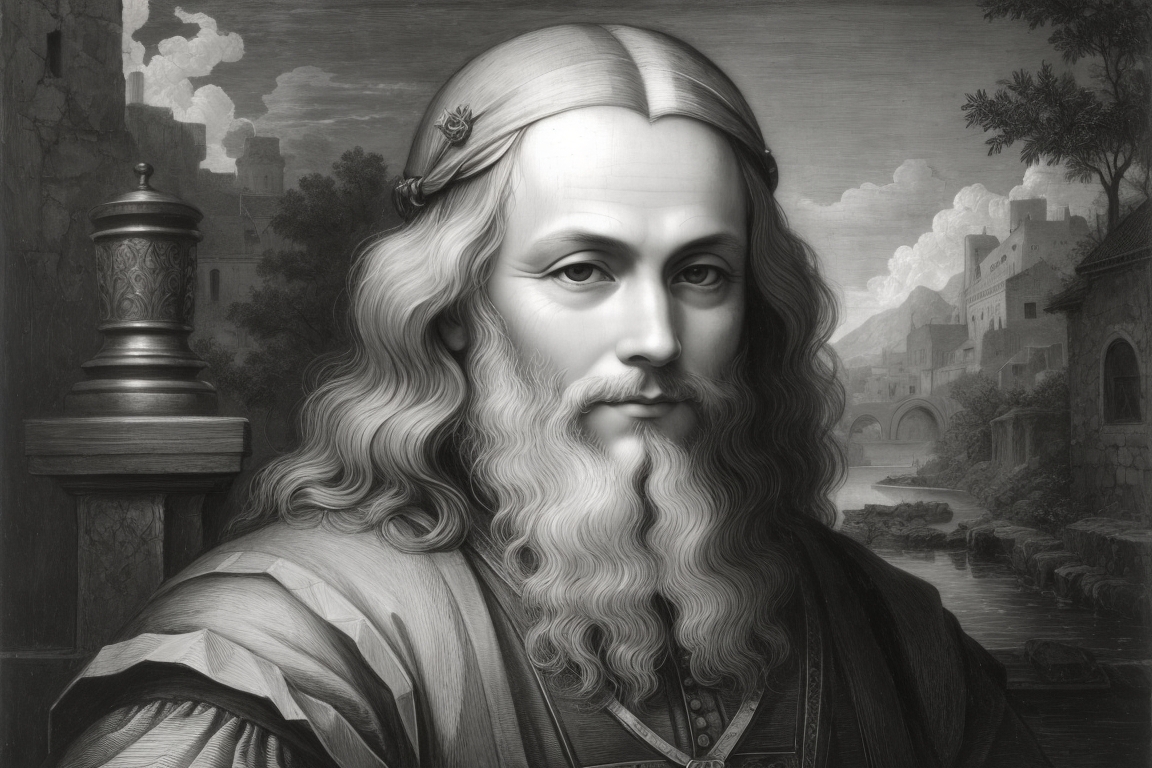
Leonardo da Vinci is a name that is synonymous with art, but he was much more than just a painter. He was a man of science who made significant contributions to technology through the ages. His genius and creativity were not limited to art but extended to engineering, mathematics, anatomy, and many other fields.
Leonardo’s impact on technology can be seen in his designs for flying machines, war machines, and hydraulic pumps, among other things. His ability to combine art and science allowed him to create designs that were not only functional but also aesthetically pleasing. He was a true Renaissance man, with a broad range of interests and talents.
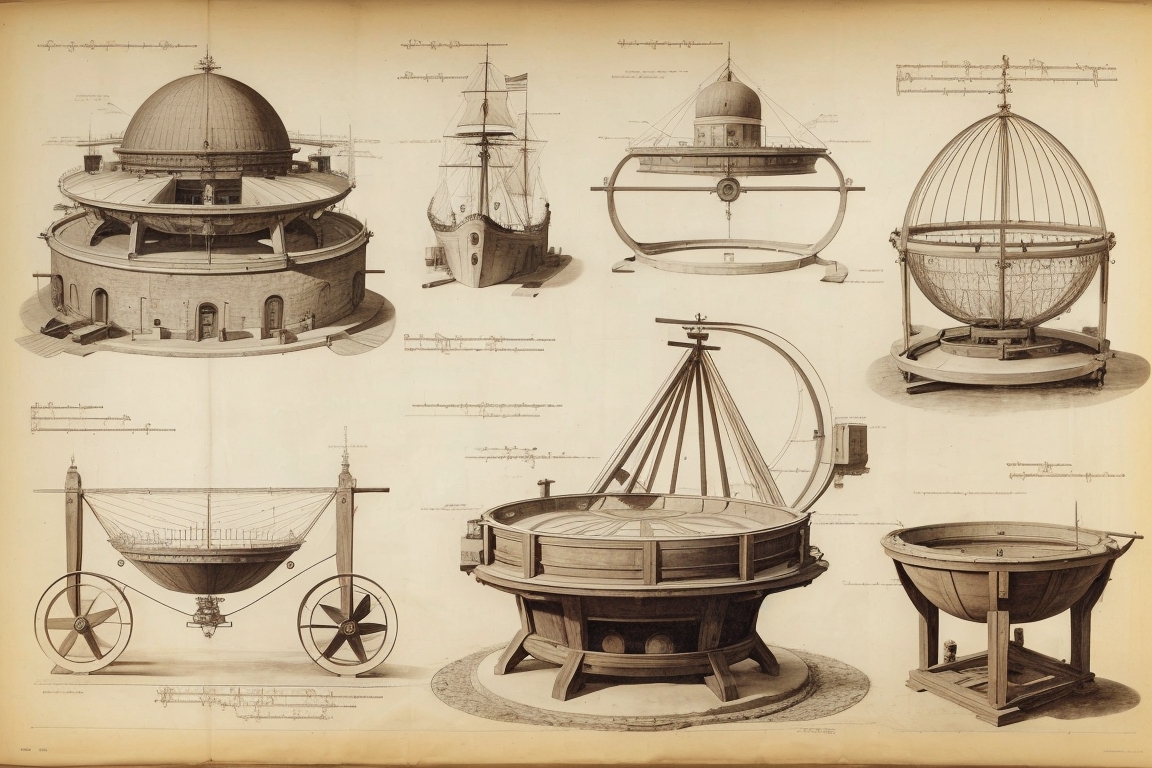
Leonardo’s legacy can still be felt today, as his inventions and designs continue to inspire and influence modern technology. His work paved the way for future innovators and engineers, and his contributions to science and technology will always be remembered.
Leonardo da Vinci: The Man of Science
Leonardo da Vinci is widely regarded as one of the greatest geniuses in history, and his impact on science and technology cannot be overstated. He was a true polymath, with interests and expertise in a wide range of fields, from art and architecture to engineering and anatomy. In this section, we will explore his early life and education, as well as his scientific contributions.
Early Life and Education
Leonardo was born in Vinci, Italy, in 1452, the illegitimate son of a wealthy notary and a peasant woman. He received only a basic education, but he showed an early aptitude for drawing and painting. At the age of 14, he was apprenticed to the artist Andrea del Verrocchio, where he learned the skills of painting, sculpture, and metalworking.
Scientific Contributions
Leonardo’s scientific contributions were wide-ranging and groundbreaking. He was a keen observer of the natural world, and he used his artistic skills to create detailed drawings and diagrams of plants, animals, and human anatomy. He studied the properties of light and optics, and he designed machines and devices for a variety of purposes.
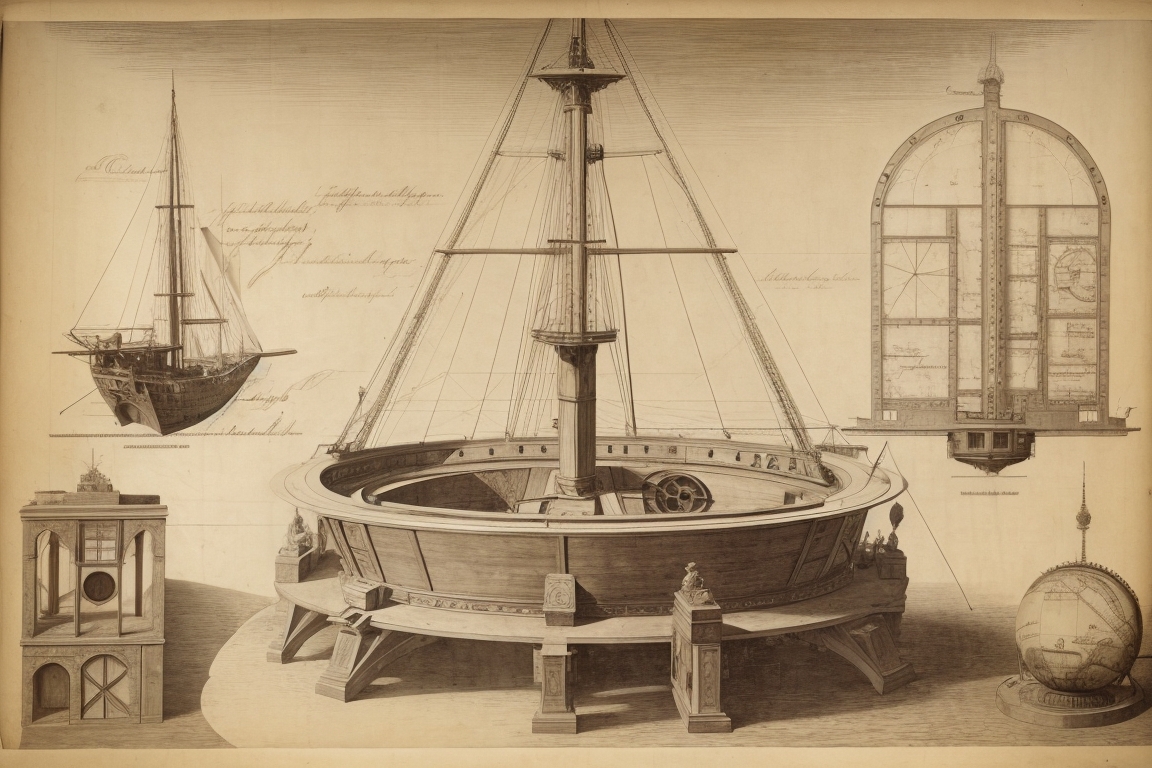
One of Leonardo’s most famous inventions was the flying machine, which he designed based on his observations of birds in flight. Although he never built a working model, his designs for a glider and a helicopter were centuries ahead of their time. He also designed a number of machines for warfare, including a tank and a giant crossbow.
Leonardo’s contributions to science and technology were not fully appreciated in his own time, but his legacy has endured through the ages. His work has inspired countless scientists, artists, and inventors, and his influence can be seen in everything from the design of modern airplanes to the study of human anatomy.
Impact on Technology
Leonardo da Vinci’s impact on technology can still be felt today. His inventions and technological innovations paved the way for modern technology.
Inventions
Leonardo da Vinci was a prolific inventor and created many inventions that were ahead of their time. Some of his most notable inventions include the flying machine, the parachute, and the helicopter. He also designed war machines such as the tank and the machine gun. Although many of his inventions were not built during his lifetime, they inspired later inventors and engineers.
Technological Innovations
Leonardo da Vinci was also an innovator in the fields of engineering and architecture. He designed machines for manufacturing, mining, and construction. He also developed new techniques for measuring and surveying, which were used in the construction of buildings and infrastructure. His innovations in the field of hydraulics were particularly important, as they allowed for the efficient movement of water and the construction of aqueducts.
Influence on Modern Technology
Leonardo da Vinci’s influence on modern technology can be seen in many areas. His designs for flying machines and helicopters inspired the development of modern aviation. His innovations in manufacturing and construction helped to create the modern industrial economy. His work in the field of hydraulics laid the foundation for modern water management and irrigation systems.
Overall, Leonardo da Vinci’s impact on technology was immense. His inventions and innovations helped to shape the modern world and continue to inspire new generations of inventors and engineers.
Through the Ages
Renaissance Period
Leonardo da Vinci was a man of science and technology who lived during the Renaissance period. He was a true polymath, excelling in a wide range of fields such as engineering, anatomy, and physics. His inventions and discoveries during this period had a profound impact on the world of science and technology.
One of his most notable inventions was the flying machine, which was inspired by his study of birds in flight. Although he never built a working model, his designs served as a foundation for future aviation pioneers. He also made significant contributions to the study of optics, including the development of the camera obscure.
Industrial Revolution
During the Industrial Revolution, Leonardo’s ideas and inventions played a crucial role in the development of technology. His designs for machines such as the water-powered saw and the spinning machine greatly influenced the development of the textile industry. In addition, his work on hydraulics and water power helped to pave the way for the development of modern power generation.
Modern Era
In the modern era, Leonardo’s legacy continues to inspire innovation and creativity. His work on anatomy and physiology has had a lasting impact on the field of medicine, while his designs for bridges and other structures continue to influence the field of civil engineering. In addition, his work on robotics and automation has helped to shape the development of modern manufacturing processes.
Overall, Leonardo da Vinci’s impact on science and technology has been immense. His ideas and inventions have helped to shape the world we live in today, and his legacy continues to inspire new generations of innovators and thinkers.
Conclusion
Leonardo da Vinci was a true polymath, excelling in a wide range of fields including art, engineering, architecture, science, and anatomy. His contributions to technology and science were unparalleled during his time and continue to influence modern society.
Da Vinci’s scientific observations and mechanical inventions have had a lasting impact on the world. He was able to bridge the gap between unscientific medieval methods and modern scientific approaches. His experiments in anatomy and the study of fluids, for example, were beyond the accomplishments of his predecessors.
Da Vinci’s emphasis on empirical observation also helped him improve his art. He was able to use what he learned from looking at nature to paint and draw. His studies of the body, animals, and plants allowed him to create lifelike and realistic depictions in his art.
Furthermore, da Vinci’s inventions were ahead of his time. He designed flying machines, a submarine, and a parachute, among other things. Many of his ideas were not feasible during his lifetime due to the lack of technology, but they have since been realized and implemented in modern times.
Overall, Leonardo da Vinci’s impact on technology and science has been immeasurable. His legacy continues to inspire new generations of inventors, engineers, and artists.
